
A field guide from over 30 years in the deal room
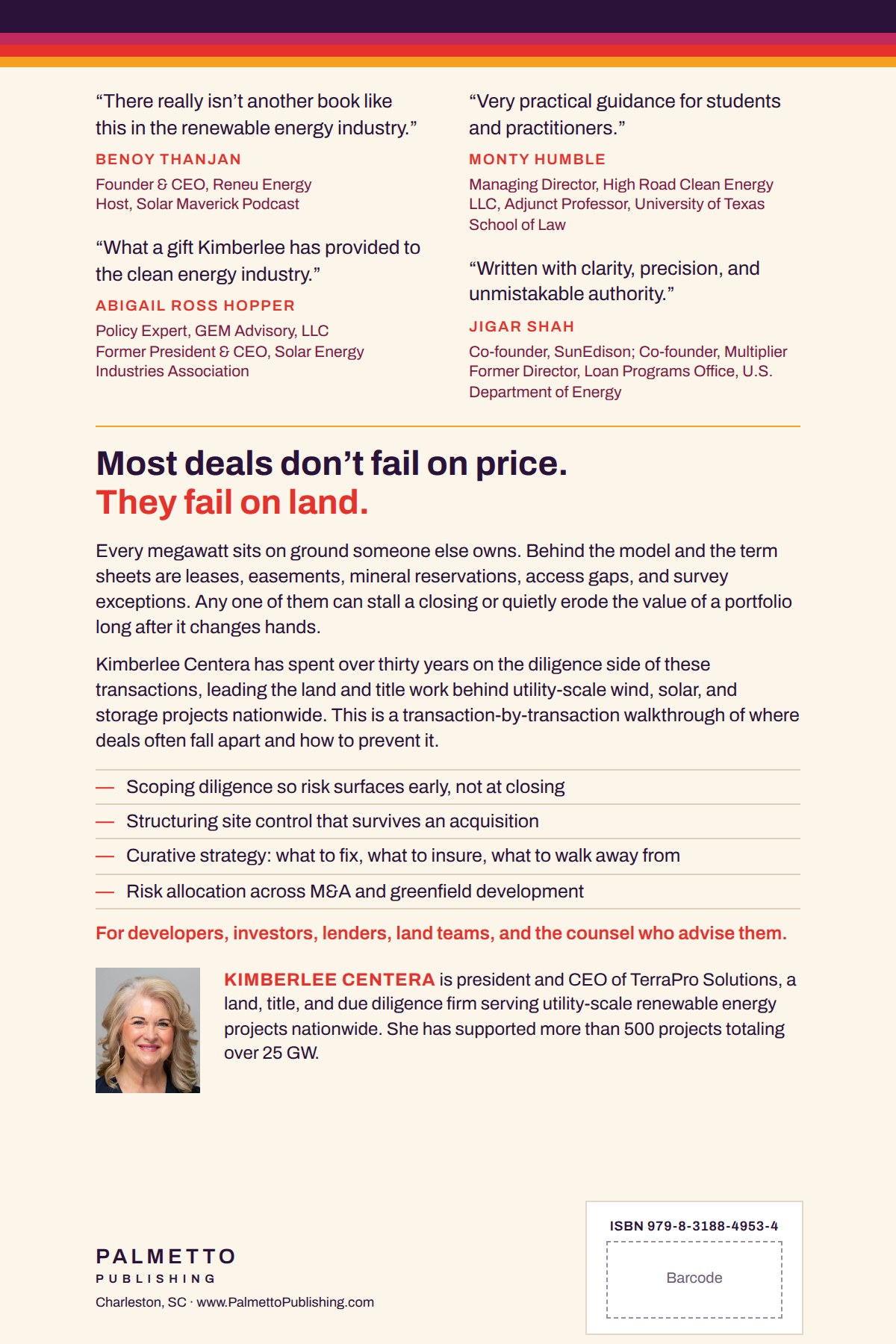
Most deals don’t fail on price. They fail on land.
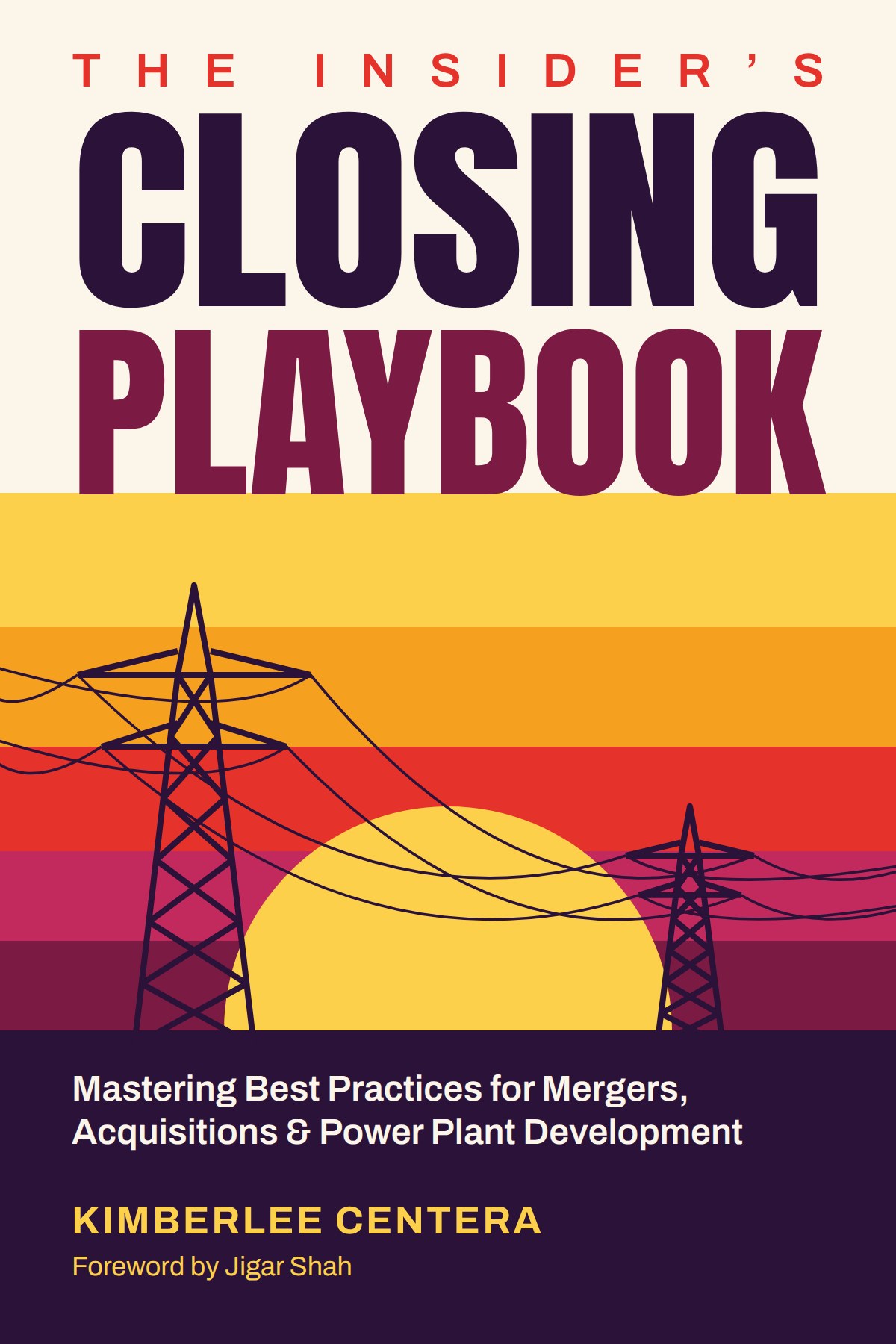
The Insider’s Closing Playbook: Mastering Best Practices for Mergers, Acquisitions & Power Plant Development is a practical account of what actually stops utility-scale projects from closing — and how to find it before it costs you the transaction.


Why this book
Every failed deal looked good on paper first.
Projects rarely collapse because the technology failed or the economics stopped working. They collapse because something in the ground — a missing signature, a severed mineral estate, a road reservation buried in a decades-old record — surfaces at the worst possible moment.
This book is about that moment, and about the diligence that prevents it. It is written for the people who carry the transaction: developers, acquirers, lenders, investors, and the land and title teams who do the work underneath.
What you get
Written from the transactions, not from the theory.
The failure patterns, named
Assumed access that no easement supports. Leases signed by someone who no longer owns the land. Ownership structures that fragment the moment you look closely. Each one gets a chapter and a method for catching it early.
Diligence that fits the clock
Most transactions allow sixty to ninety days. Often sixty. The book works through how to triage a pipeline, build a data room that survives scrutiny, and decide what genuinely has to be resolved before signing.
Where the discipline is heading
Contributed chapters on AI-driven risk modelling and nature-based solutions look at how acquisition teams will screen, price, and defend projects as the market keeps maturing.
Foreword

The hardest part of the energy transition is never the idea. It is the disciplined work of turning that idea into a project that gets built.
From the foreword
Who it’s for
The people who carry the transaction.
- Developers & acquirers
Filling pipeline gaps through M&A, and inheriting whatever diligence the last owner did or didn’t do.
- Lenders & investors
Underwriting assets where the financial engineering is sound but the land agreements underneath it have never been tested.
- Land & title teams
Doing the curative work, and needing the rest of the deal team to understand why it matters before closing week.
The human side
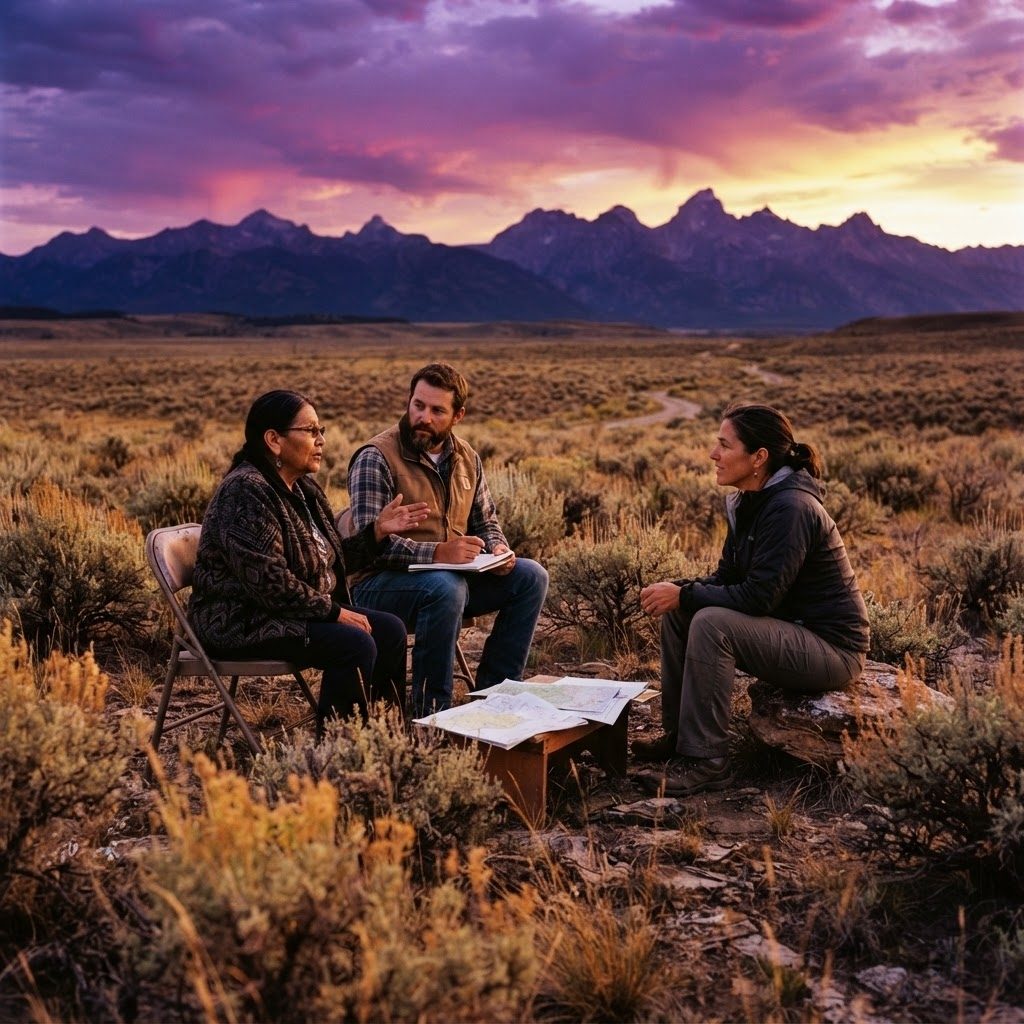
Projects are built on real land, in real communities.
Landowners, tribal nations, county officials and neighbours are not obstacles in a schedule. They are parties to the project, and the way they are approached shapes whether it gets built at all.
Several chapters deal directly with this — ownership conversations, cultural resource review, community acceptance — because the transactional and the relational are not separable in this work.
The author
Kimberlee Centera

President and CEO of TerraPro Solutions, with over 30 years de-risking complex utility-scale projects for Fortune 500 companies, developers and investors.
A frequent contributor to North American Clean Energy and POWER Magazine, a regular speaker at industry conferences, and a guest on nationally syndicated programmes including National Public Radio.
Questions
Before you buy.
Who is The Insider’s Closing Playbook for?
Developers, acquirers, lenders, investors, land and title teams, and the counsel who advise them. If you carry any part of a utility-scale renewable energy transaction, the book is written for your side of the table.
Do I need a land or title background to read it?
No. The book explains the land side of a deal for people who are not land professionals — which is most of the people in the room when a transaction closes. The glossary covers the vocabulary as it comes up.
What does the book actually cover?
Thirteen chapters moving from the ground upward: verifying land control, confirming ownership, mineral rights, due diligence under tight timelines, environmental and site risk, complex ownership structures, valuation and timing, project finance fundamentals, and where AI and nature-based solutions are taking the discipline next.
Why does land matter more than price in an acquisition?
Every megawatt sits on ground someone else owns. Behind the model and the term sheets are leases, easements, mineral reservations, access gaps and survey exceptions. Any one of them can stall a closing or quietly erode the value of a portfolio long after it changes hands.
Who wrote the foreword?
Jigar Shah, co-founder of SunEdison and former Director of the Loan Programs Office at the U.S. Department of Energy.
Are there companion templates?
Yes. The M&A Diligence Toolkit is a free set of working documents drawn from the book — checklists, an ownership matrix, a 60-day diligence tracker, a data room index and a project finance cheat sheet.
Can I order copies for my whole team?
Yes. Volume pricing is available for development, land, title and investment teams, along with customised inserts for firms distributing copies to clients or portfolio companies.

Get a copy
Find the problem while it is still cheap to fix.
Order the book, or join the list and we’ll let you know the moment it’s available.